Source Injection Molded Car Bumper for Cars, Appliances, and Furniture
Explore 30 verified listings for injection molded car bumper solutions suitable for automotive, household appliances, and furniture applications. Buyers can compare specifications, certifications, and customization options from suppliers in China and Taiwan; compare the available evidence and request quotations based on your requirements.
Key considerations
Products List


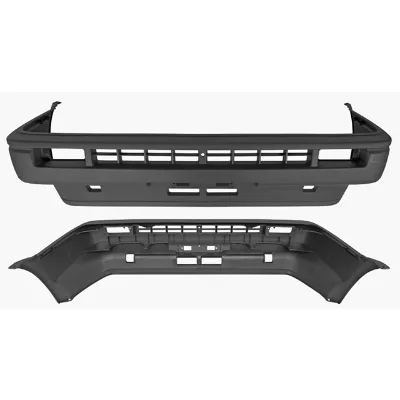


Car Accessories Mold Auto Parts Front Bumper Moulding Plastic Injection Mould
$20000.00 - $45000.00
Moq: 1


Comprehensive Sourcing Guide
Injection Molded Car Bumper Sourcing Guide
Buyers must first distinguish between fixed and mobile installation requirements when evaluating injection molded car bumper molds, as the supplied data indicates conflicting installation modes. Some listings specify fixed installation for permanent assembly lines, while others suggest mobile configurations for flexible manufacturing setups. This distinction dictates the necessary foundation design and clamping stability, directly impacting the mold's integration into existing production cells. Procurement teams should verify the specific installation mode against their factory layout before committing to a supplier, ensuring the equipment matches the intended operational workflow.
The observed product scope reveals a wide variance in model specifications, ranging from generic injection mold makers to specific models like the ST2000 or CB series. Listings frequently cite applications across automotive, household appliances, and furniture sectors, suggesting that many molds are designed for multi-purpose use rather than single-application exclusivity. Buyers should scrutinize the stated model numbers and application lists to confirm the mold is engineered specifically for automotive bumper geometries rather than repurposed for general commodity goods. This verification prevents costly mismatches between the mold's design intent and the final vehicle part requirements.
Product Scope and Observed Listing Signals
The market data indicates a significant price range from 0.01 to 200,000 USD, reflecting diverse product tiers from simple prototypes to complex multi-cavity production tools. This variance often correlates with the number of cavities, the complexity of the runner system, and the precision of the surface finish process. Buyers should treat the lowest price points with caution, as they may represent single-cavity tools or basic designs unsuitable for high-volume automotive production. Conversely, higher price points likely correspond to advanced hot runner systems and compound die combinations required for high-efficiency bumper manufacturing.
Observed minimum order quantities (MOQ) span from 1 to 500 units, indicating flexibility for both pilot runs and full-scale production deployment. The presence of "Customized" attributes across multiple listings suggests that suppliers are willing to adapt designs for specific car makes or unique bumper geometries. However, the "Other" designation for car make implies that some suppliers may not specialize in specific OEM standards. Procurement teams must clarify whether the customization capability extends to specific vehicle compatibility or is limited to general dimensional adjustments before finalizing the order volume.
Technical Specifications to Verify
Verification of the shaping mode is critical, as the data confirms the use of injection molding with hot runner systems for thermal efficiency. The presence of multi-cavity configurations allows for higher output rates, which is essential for meeting automotive production targets. Buyers must confirm that the hot runner system is compatible with the specific plastic material, such as HDPE or PVC, to ensure consistent flow and minimize waste. Additionally, the surface finish process is listed as polishing, which directly affects the aesthetic quality and paint adhesion of the final bumper component.
The structural design of the mold often includes horizontal configurations with hydraulic clamping ways, suitable for large automotive parts. Automation levels are described as automatic and computerized, which implies a high degree of process control and repeatability. Buyers should verify the plasticizing way, typically screw type, to ensure it matches the viscosity of the chosen thermoplastic material. Furthermore, the standard mold bases referenced, such as HASCO or DME, provide a baseline for component compatibility, but specific cavity dimensions must be validated against the target vehicle's engineering drawings.
Compliance and Safety Documentation
Certification requirements for automotive molds are complex, with listings citing TSCE, ISO, FDA, CE, and ROHS standards. While these certifications indicate a baseline of quality management and material safety, buyers must confirm which specific standards apply to the automotive sector versus general appliance use. The presence of ISO9000 and ISO9001 suggests a structured quality management system, but the exact version, such as ISO 9001:2015, should be verified to ensure current compliance. Documentation must explicitly state that the mold and its output meet automotive safety regulations, not just general industrial standards.
Material safety is paramount, particularly when the mold processes plastics like HDPE or PVC for components that may be exposed to environmental stress. Buyers should request material safety data sheets (MSDS) and compliance certificates for the specific plastic granules used in the molding process. The listing of CE and ROHS certifications is a positive signal, but it does not automatically guarantee compliance with automotive-specific chemical restrictions. Procurement teams must ensure that the supplier provides traceable documentation proving the materials used in the mold and the resulting parts meet all relevant regional and industry safety mandates.
Cost Drivers and Commercial Terms
The supply ability of 300 pieces per month indicates a moderate production capacity that may limit scalability for high-volume automotive programs. Buyers should assess whether this output rate aligns with their projected demand or if the supplier can scale up through additional shifts or parallel tooling. The packaging details, such as single items in cartons or steel boxes, influence logistics costs and protection during transit. For heavy injection molds, the choice between steel boxes and standard cartons is a critical cost factor that affects shipping insurance and handling requirements.
Lead times and port of dispatch are significant variables, with some listings originating from China and others from Taiwan. The specific port, such as "Taiwan ANY PORT," suggests flexibility but requires precise coordination to avoid delays. Buyers must clarify the exact lead time for mold fabrication and delivery, as the observed data does not provide a definitive timeline. Commercial terms should explicitly address who bears the risk during transit and how changes in raw material costs, such as fluctuations in HDPE or PVC prices, will be managed throughout the contract period.
Supplier Qualification and Quality Control
Supplier qualification should focus on the specific experience with injection mold manufacturers and makers, as general plastic molders may lack the precision required for automotive bumpers. The listing of "Injection Mold Maker" and "Injection Manufacturer" titles suggests specialized expertise, but buyers must verify the actual track record with car bumper projects. The presence of automation and high repeat precision attributes is a strong indicator of quality potential, yet these claims require validation through on-site audits or third-party quality reports.
Quality control processes must be rigorously defined, particularly regarding the compound die process and the specific surface finish polishing techniques. Buyers should request detailed inspection reports that cover cavity dimensions, runner system integrity, and surface texture consistency. The "save energy" and "save raw material" attributes imply efficiency, but these benefits are only realized if the mold maintains tight tolerances over its lifecycle. Establishing a clear protocol for pre-shipment inspections and post-delivery performance testing is essential to mitigate the risk of defects in the final automotive components.
Long-Term Procurement Checks
Long-term procurement success depends on the durability of the mold, supported by attributes like "long use life" and "low noise" operation. Buyers should establish a maintenance schedule that aligns with the manufacturer's recommendations for the hydraulic clamping and screw plasticizing systems. Regular monitoring of the mold's performance against the "high repeat precision" claims ensures that the tooling continues to produce parts within specification over thousands of cycles. Proactive maintenance prevents unexpected downtime and extends the useful life of the investment.
The compatibility of the mold with future production needs is another critical factor, especially given the "quick response" and "high efficiency" attributes. Buyers must ensure that the mold design allows for easy adjustments if vehicle models change or if production volumes need to be scaled. The "save energy" feature should be monitored over time to verify that the mold continues to operate efficiently as components wear. Establishing a long-term partnership with a supplier who can support these ongoing operational checks is vital for maintaining a stable and cost-effective supply chain.
FAQs
What customization options are available for injection molded car bumper molds?
Customization is available for injection molded car bumper molds, allowing buyers to tailor specifications to their needs. Products can be customized with multi-cavity designs and hot runner systems. The molds support various applications including automotive and household appliances. Buyers can request specific surface finishes like polishing. This flexibility ensures the final plastic parts meet precise engineering requirements for different end-use industries.
Which certifications do injection molded car bumper manufacturers typically hold?
Manufacturers typically hold certifications such as TSCE, ISO, FDA, CE, and ISO9000. These standards ensure quality management and safety compliance for the production processes. Some suppliers also adhere to DME and HASCO standards for mold components. The presence of these certifications indicates that the factories follow established international protocols for manufacturing plastic injection molds and related automotive components.
Can injection molded car bumper molds be automated for high efficiency?
Yes, injection molded car bumper molds can be fully automated to enhance production efficiency. The machines are computerized and feature horizontal structures with screw-type plasticizing ways. This automation helps save energy and raw materials while maintaining high repeat precision. The quick response capabilities and low noise levels contribute to a long service life for the equipment in continuous manufacturing environments.
What plastic materials are suitable for injection molded car bumper production?
Suitable plastic materials for injection molded car bumper production include HDPE and PVC. These thermoplastic materials are processed using injection molding techniques to create durable components. The choice of material depends on the specific application requirements, such as automotive bumpers or household appliances. The molds are designed to handle these materials effectively, ensuring consistent quality and structural integrity for the final plastic products.
How are injection molded car bumper molds packaged for shipping?
Injection molded car bumper molds are typically packaged in steel boxes or cartons for secure shipping. This packaging protects the precision components during transit from origins like China or Taiwan. The sturdy packaging ensures that the molds arrive in optimal condition for installation. Buyers should verify specific packaging details with suppliers, as methods may vary based on the mold size and destination port requirements for safe delivery.